Design Amid an Overwhelming Visual Landscape
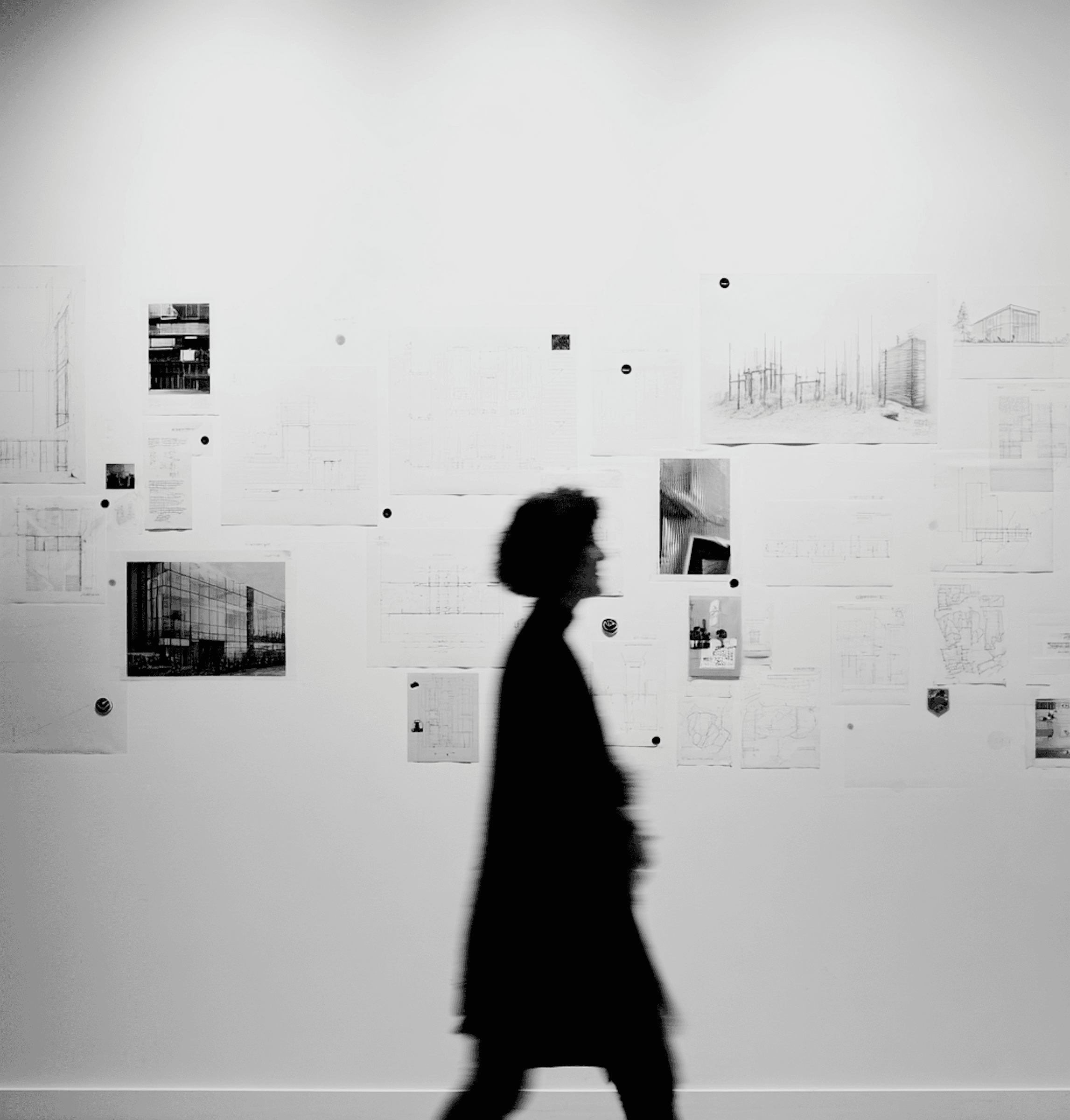
Today’s digital environment is saturated with more visuals than at any other point in history. Infinite feeds, algorithmic recommendations, and on-demand content have created a constant stream of imagery that competes for our attention. For designers, this abundance presents a paradox: with tools and platforms now making it easier than ever to produce visuals, the challenge is no longer about creation but distinction. What makes one visual stand out when everything is polished, optimized, and engineered for engagement? In this landscape, meaningful design becomes an act of intentional reduction—removing excess, highlighting the essential, and creating forms that resist the homogenizing pull of algorithmic aesthetics.
From Aesthetics to Intent: Why Purpose Matters More Than Style
A common misconception is that strong design begins with visual style. In reality, it begins with clarity of purpose. The most enduring work in visual communication is guided by an understanding of why something is being made and what it needs to express. This purpose-driven approach helps designers resist the pressure to chase trends or mimic popular aesthetics generated by platforms and AI tools. Instead, it grounds the process in strategy—understanding context, user expectations, and the cultural signals embedded in every visual decision. When intent leads, aesthetics naturally follow, informed by a deeper logic that gives the work longevity and coherence.
The Designer as Interpreter of Culture and Context
As tools become more accessible and automation accelerates production, the designer’s greatest value lies in interpretation rather than execution. A machine can generate thousands of appealing compositions, but it cannot evaluate their relevance, appropriateness, or cultural meaning. Designers bring an understanding of nuance—how colors, typography, and structure communicate differently across regions, industries, or cultural moments. They also possess the critical ability to make choices with ethical and narrative precision. In a visual world where sameness spreads quickly, this interpretive role becomes essential in shaping work that resonates beyond aesthetics and connects meaningfully with people.
Toward a More Deliberate and Human-Centered Design Future
The next phase of visual design will require slowing down rather than speeding up. Counterintuitively, as tools become faster, the designer’s responsibility becomes deeper: to think, evaluate, and refine with intention. The future will reward clarity over noise, systems over decoration, and insight over imitation. Designers who can navigate complexity, edit decisively, and create meaning within minimal forms will define the new creative standard. In a world overwhelmed by automated visuals, the most powerful design will be the one shaped by human discernment—work that reflects not only technical capability but an understanding of culture, emotion, and purpose.